Fire Damage Restoration & Repair – 24/7 Emergency Service
If not addressed immediately, fire and smoke damage can lead to permanent staining, corrosion, and unsafe living conditions. That’s why our referral network is available 24/7 to connect you with local fire and smoke restoration experts who can respond quickly, day or night.

Fire and Smoke Damage Restoration – 24/7 Local Help
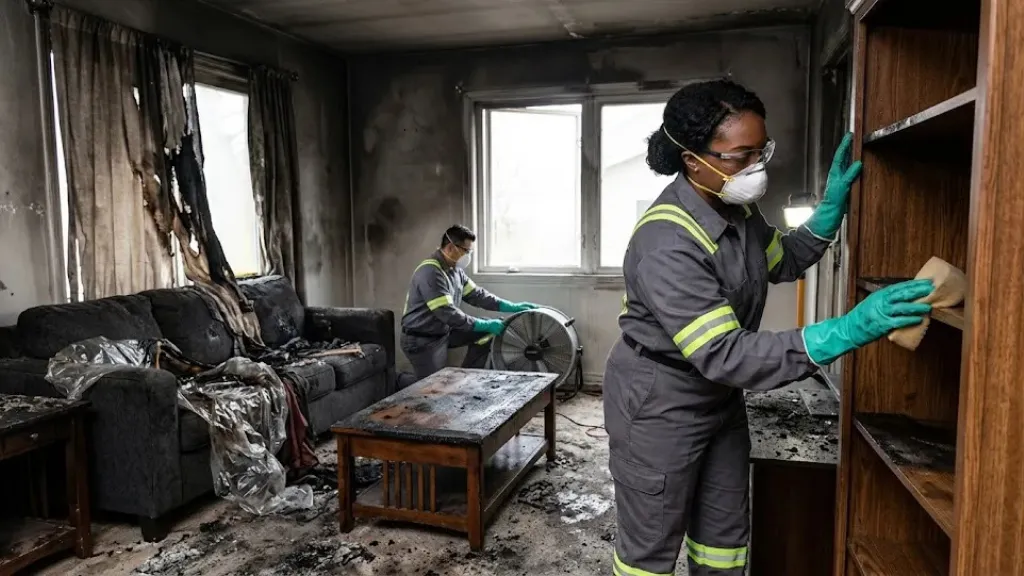
When a fire strikes, the damage extends far beyond what the flames consume. Smoke, soot, and water from firefighting efforts can quickly spread through your property, causing structural harm, toxic residue, and lingering odors. Common causes include electrical malfunctions, kitchen grease fires, heating equipment failures, and unattended candles. Our service connects you with available local fire damage specialists equipped to secure your property and handle cleanup efficiently.
✅ 24/7 Availability
✅ Rapid Response Network
✅ Independent Local Specialists
✅ Free Connection to an Expert
Fire Damage Service Areas
Connecting You with Local Restoration Specialists
We help pair you with independent local professionals who bring the specialized equipment and experience required for fire, smoke, and water damage restoration:
Insurance Coordination: Network contractors routinely assist homeowners with claims documentation and insurance billing.
Experienced Technicians: Direct connection to teams experienced in complex structural recovery and smoke mitigation.
Property Protection: Network providers offer emergency board-up and roof tarping to keep your property secure.
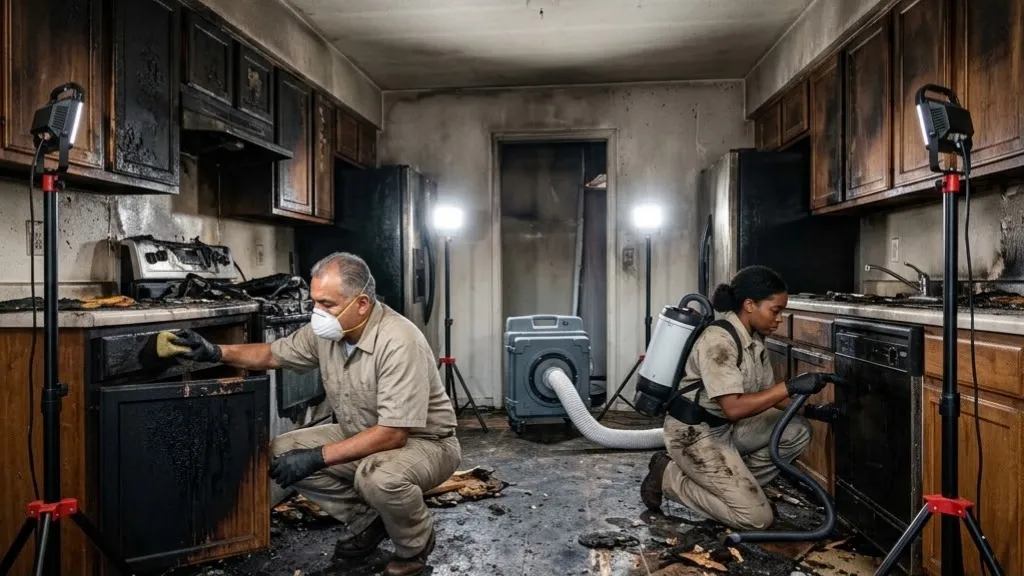
Advanced Equipment: Local specialists utilize commercial air scrubbers, thermal foggers, and industrial vacuums for soot and odor removal.
24/7 Emergency Fire Restoration & Board Up Near You
Common Fire and Smoke Damage Restoration Processes
The restoration specialists we connect you with follow standard industry protocols to stabilize and restore your property safely:
Emergency Assessment & Safety Inspection – Technicians evaluate structural integrity, electrical hazards, and the extent of fire, smoke, and water damage before work begins.
Securing the Property (Board-Up & Tarping) – Windows are boarded up, compromised roofs are tarped, and openings are sealed to protect the building from weather exposure and unauthorized entry.
Water Removal & Structural Drying – Water left behind from firefighting efforts is extracted immediately using pumps and commercial dehumidifiers to prevent mold growth.
Smoke & Soot Removal – Specialists use heavy-duty HEPA vacuums and specialized chemical sponges to pull soot and corrosive residues off walls, ceilings, and surfaces.
Odor Neutralization & Sanitizing – Advanced deodorization equipment, including ozone generators and thermal foggers, neutralizes airborne smoke odors at their source.
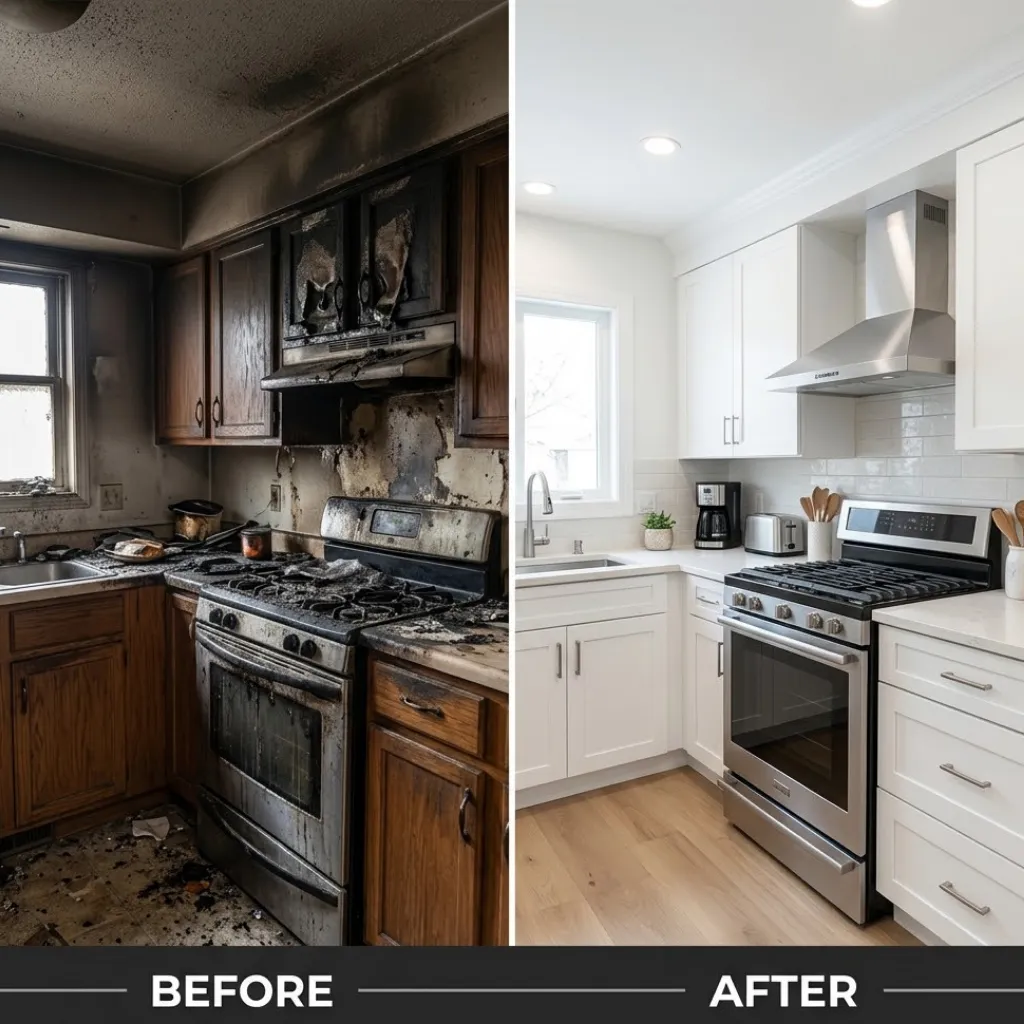
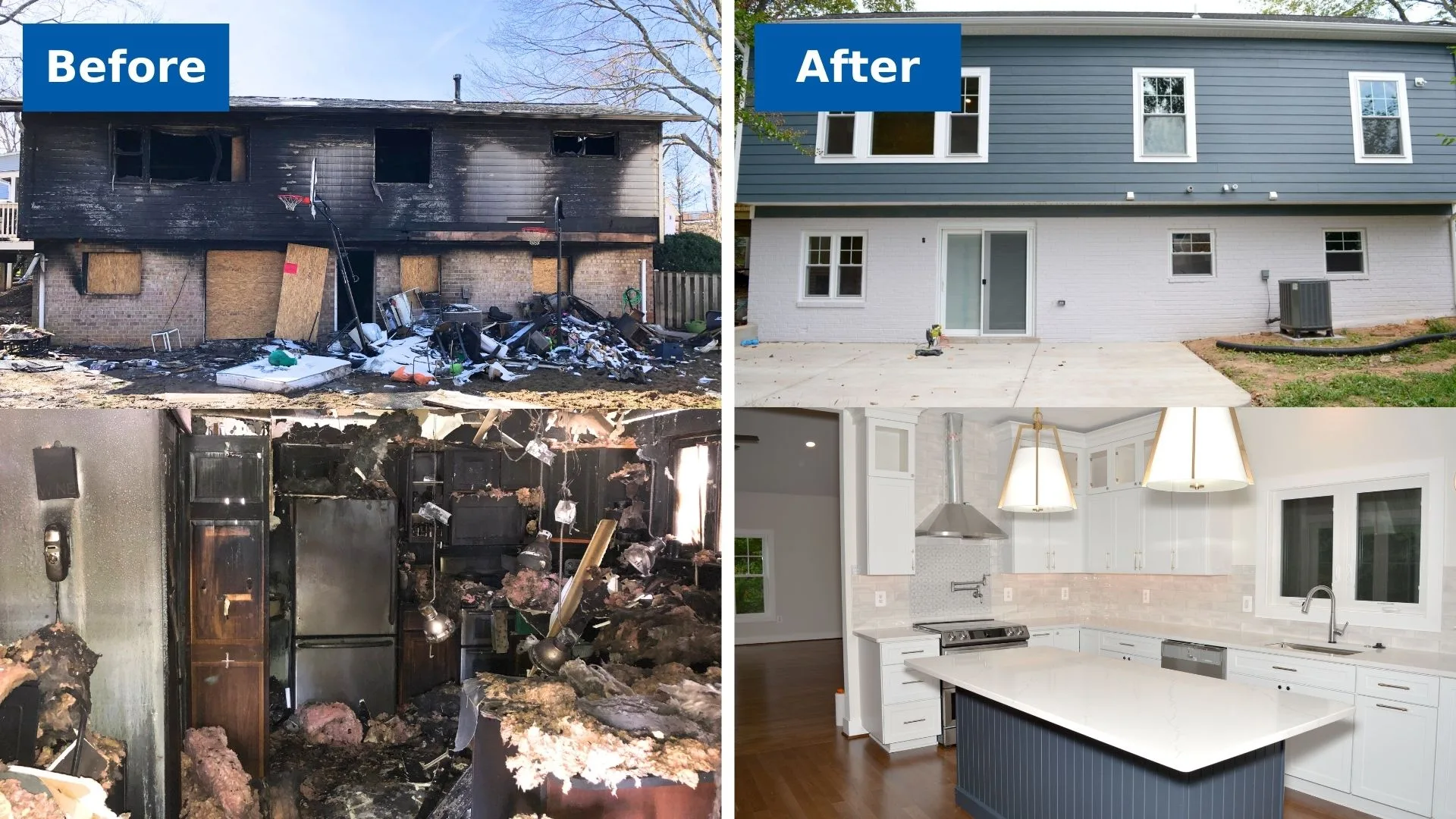
Restoration & Reconstruction – Damaged drywall, flooring, and framing are repaired or replaced to return your home or business to pre-fire condition.
Connect With Local Emergency Fire Restoration Providers
Frequently Asked Questions (FAQs)
What should I do immediately after a fire is out?
After ensuring everyone’s safety and that the fire department has cleared re-entry onto the property, the next step is to prevent further damage from smoke, soot, and water used to extinguish the fire. Call immediately to connect with a local fire restoration specialist who can secure the property and begin cleanup as soon as possible.
Can fire damage get worse after the fire is out?
Yes. Smoke, soot, and acidic residues can continue to cause corrosion, staining, and odor issues for days or weeks if not addressed promptly. Water used to put out the fire can also lead to secondary damage.
What types of damage does a fire cause?
Fire damage may include:
- Burned structural materials
- Smoke and soot residue
- Strong odors
- Water damage from firefighting efforts
Each situation is different and requires professional evaluation.
Is it safe to stay in the home after a fire?
In many cases, no. Smoke residue and compromised structures can pose health and safety risks. A qualified restoration professional can assess whether the property is safe to occupy.
How soon should fire damage restoration begin?
Fire damage restoration should begin as soon as possible after the property is cleared for entry. Prompt action helps reduce long-term damage and overall restoration time.
Do I need professional fire damage restoration, or can I clean it myself?
Major fire and smoke damage can be hazardous and difficult to clean properly without specialized equipment and training. Professional restoration helps ensure the damage is handled safely and thoroughly.
Will fire damage restoration companies work with insurance?
Many restoration companies have experience working with insurance providers, but coverage and processes vary by policy. A local specialist can explain how they typically handle insurance-related situations.
How long does fire damage restoration take?
The timeline depends on the severity of the fire, the size of the property, and the extent of smoke and water damage. A local restoration professional can provide a more accurate assessment after evaluating the property.
Why Fast Action Matters With Fire Damage
Fire damage continues to progress long after the flames are extinguished. Acidic soot, toxic smoke residue, and standing water immediately begin breaking down building materials:
- Shortens overall recovery time by preventing secondary structural breakdown.
- Reduces ongoing soot staining on countertops, cabinets, and appliances.
- Limits metal corrosion and glass etching caused by acidic combustion byproducts.
- Mitigates water damage leftover from firefighting efforts before mold takes hold.
- Protects exposed property from weather and vandalism through fast board-up services.
Fire Damage Restoration Near You
If you have experienced a fire loss, every hour counts. The sooner local professionals begin mitigation, the better the chances of saving your property and personal belongings. Our 24/7 routing service will quickly connect you with a local fire and smoke damage restoration specialist in your area.